

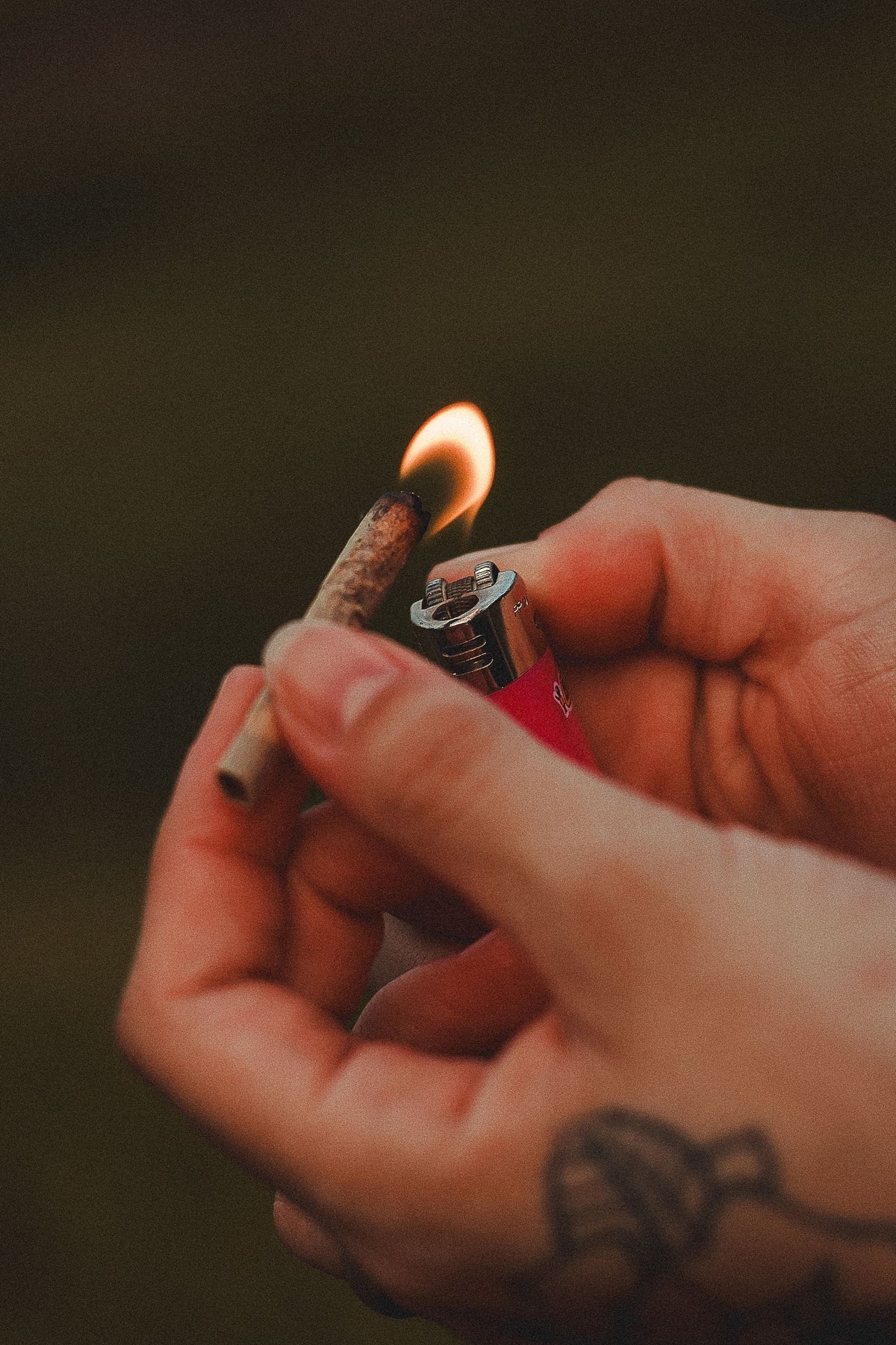
THCa (tetrahydrocannabinolic acid) is the raw, acidic form of THC found in fresh cannabis plants. Unlike THC, THCa is non-intoxicating on its own. However, through a process called decarboxylation, THCa transforms into the psychoactive THC that produces the effects users seek.
What Is Decarboxylation?
Decarboxylation is a chemical reaction that removes a carboxyl group (COOH) from THCa molecules. This process requires heat and converts THCa into THC, making it bioavailable and psychoactive. The reaction is straightforward: apply heat, and the molecular structure changes.
How Heat Triggers the Conversion
Heat is the primary catalyst for decarboxylation. When cannabis is smoked, vaped, or cooked, the temperature causes THCa to lose its carboxyl group and become THC. Different temperatures and exposure times affect the efficiency of this conversion:
- Smoking and vaping: Instant decarboxylation occurs as the flower burns or heats in a vaporizer, typically between 300–400°F.
- Cooking and edibles: Slower decarboxylation happens in an oven or on a stovetop, usually requiring 30–40 minutes at 240°F for optimal conversion.
- Time and temperature: Lower temperatures over longer periods can achieve full decarboxylation, while higher heat speeds up the process but may degrade cannabinoids.
Why This Matters for Consumers
Understanding decarboxylation helps explain why raw cannabis doesn't produce intoxicating effects, but smoking or cooking it does. If you're making edibles or infusions, proper decarboxylation ensures maximum potency. Underdone decarboxylation results in weaker products, while excessive heat can destroy cannabinoids and terpenes that contribute to flavor and effects.
The THCa-to-THC conversion is a fundamental part of cannabis chemistry that directly impacts the experience and effectiveness of any cannabis product.